Breaking the Nail Biting Habit: Understanding the Risks and Solutions
February 29, 2016
Stress and anxiety are universal experiences, stemming from various sources like examinations, work responsibilities, family management, or significant life events. For some, this stress manifests in habits that might seem innocuous at first, such as nail biting. While initially appearing harmless, persistent nail biting can unfortunately lead to costly and even painful repercussions.
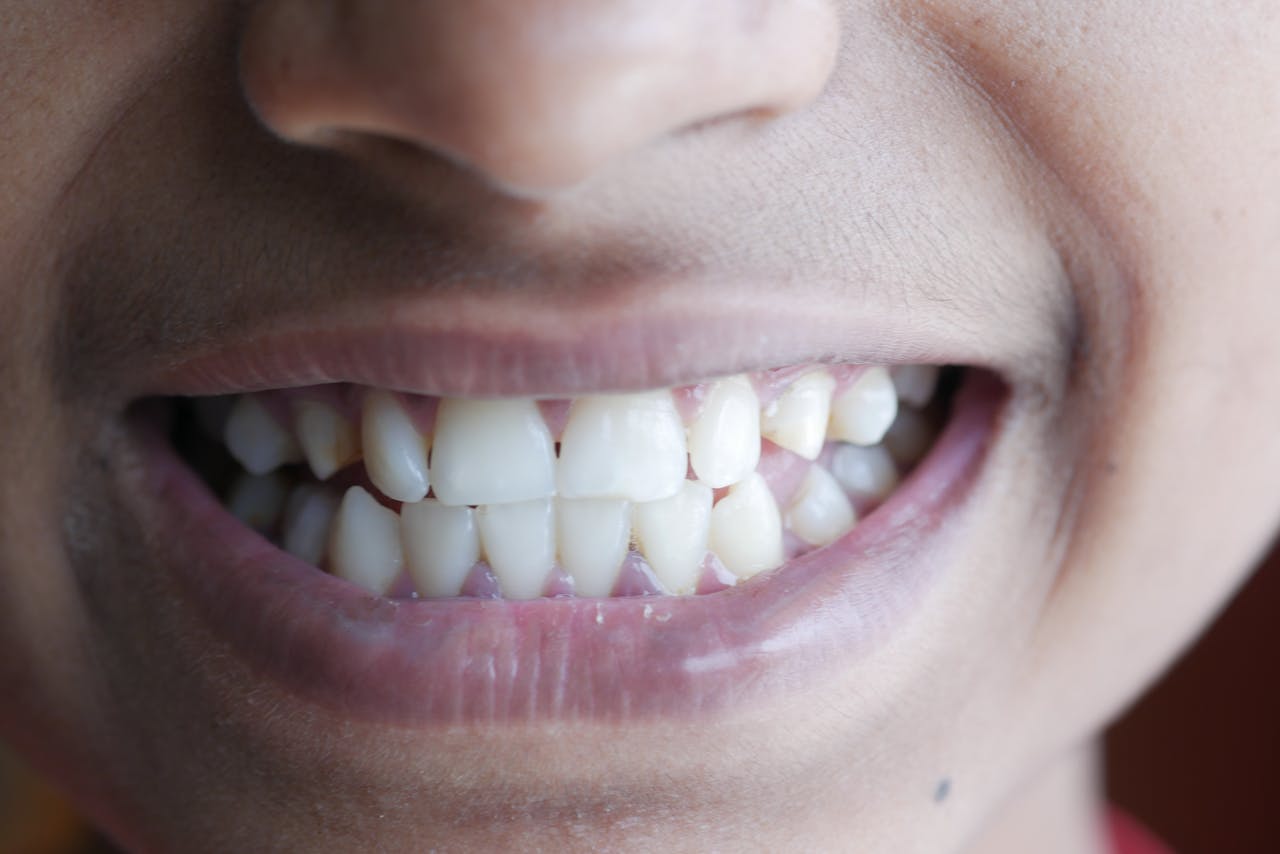
Nail biting often begins in childhood and is more prevalent among young girls and women. When this habit persists through developmental years and into adulthood, it can have detrimental effects on oral health. Individuals who bite their nails frequently may experience the erosion of tooth enamel, increasing the likelihood of chipped teeth and heightened tooth sensitivity. Furthermore, children who engage in nail biting may develop a gap between their front teeth, clinically known as a diastema.
Beyond these issues, nail biting can contribute to a range of other adverse effects, including:
- Temporomandibular Joint Disorders (TMJ)
- Tension and discomfort in the mandibular muscles
- Bruxism, or teeth grinding
- Increased tooth sensitivity
- Elevated exposure to bacteria
- Misalignment of teeth or bite
- Encouragement of nervous gum picking
- Increased risk of gingivitis
- Higher incidence of cavities
Habits, even seemingly minor ones, carry consequences. Excessive nail biting over extended periods can compromise an individual’s oral health. Fortunately, strategies exist to help curb nail biting. These include maintaining short nails and applying bitter or peppery flavored nail polish. If a child develops a nail-biting habit, it’s beneficial to encourage them to stop early to prevent potential damage. For younger children, offering positive reinforcement, such as painting their nails or a manicure as a reward for nail growth, can be an effective incentive.
Categories
Dr. Alexander Ash
GENERAL & COSMETIC DENTIST
Find Us
Office Hours
Explore Other Blog Posts
-
What is sleep dentistry or sedation dentistry?
The terms “sleep dentistry” and “sedation dentistry” are often used interchangeably to describe dental techniques designed to manage anxiety and pain…
-
Gingivitis: Understanding the Link Between Gum Health and Overall Well-being
We often think of oral health as separate from overall health, but the two are intricately connected. Gum disease, specifically gingivitis,…
-
The Foundation of Oral Health: Understanding Calcium and Bone Strength
Most of us grew up hearing the familiar advice that drinking calcium-rich milk contributes to healthy bones and strong bodies. However,…
-
Understanding Root Canals: When and Why They’re Necessary
Nobody enjoys hearing they need dental work, but sometimes a procedure like a root canal is necessary to save a tooth…