Dental Implants: A Preferred Solution for Replacing Lost Teeth
July 13, 2021
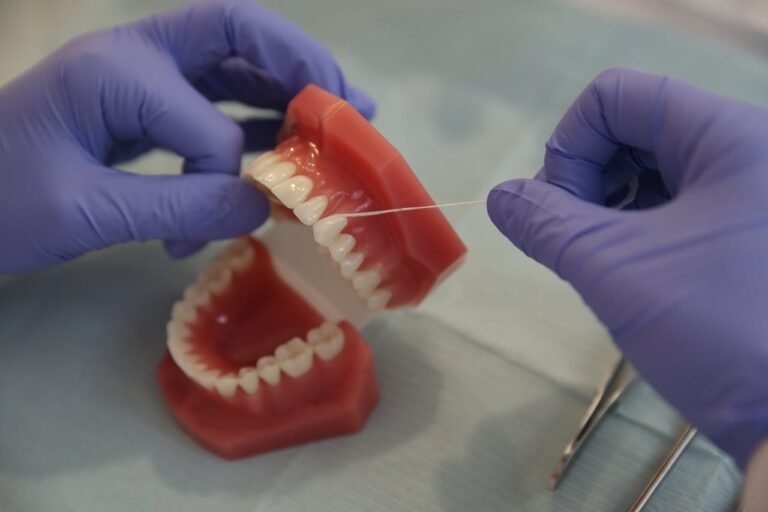
Few of us fully understood just how important it was to brush and floss our teeth when we were growing up. Even fewer were taught the exact techniques that are effective. You need to use a brush that has soft-to-medium bristles (hard ones and aggressive brushing techniques will wear down the gums). You should stroke from the gum line to the top of the tooth on both the back and front, spending two minutes on the entire mouth twice a day. Floss needs to scrape each side between the teeth to remove all food debris, as bacteria feed on them and create the sticky film called plaque. If plaque is not removed, it will soon turn into hardened tartar, or calculus, leading to periodontal infection that will gradually cause recession of the gums supporting each tooth.
Over time, the loss of a tooth can cause neighboring teeth to shift into the empty space, leading to misalignment and instability. This movement weakens the surrounding teeth, increasing the likelihood of further tooth loss or the need for extractions. As a result, you may eventually require a partial denture. However, partial dentures do not prevent the gradual loss of jawbone density that occurs when teeth are missing. If this bone loss continues, it may necessitate a full denture, which can present challenges in chewing and speaking clearly.
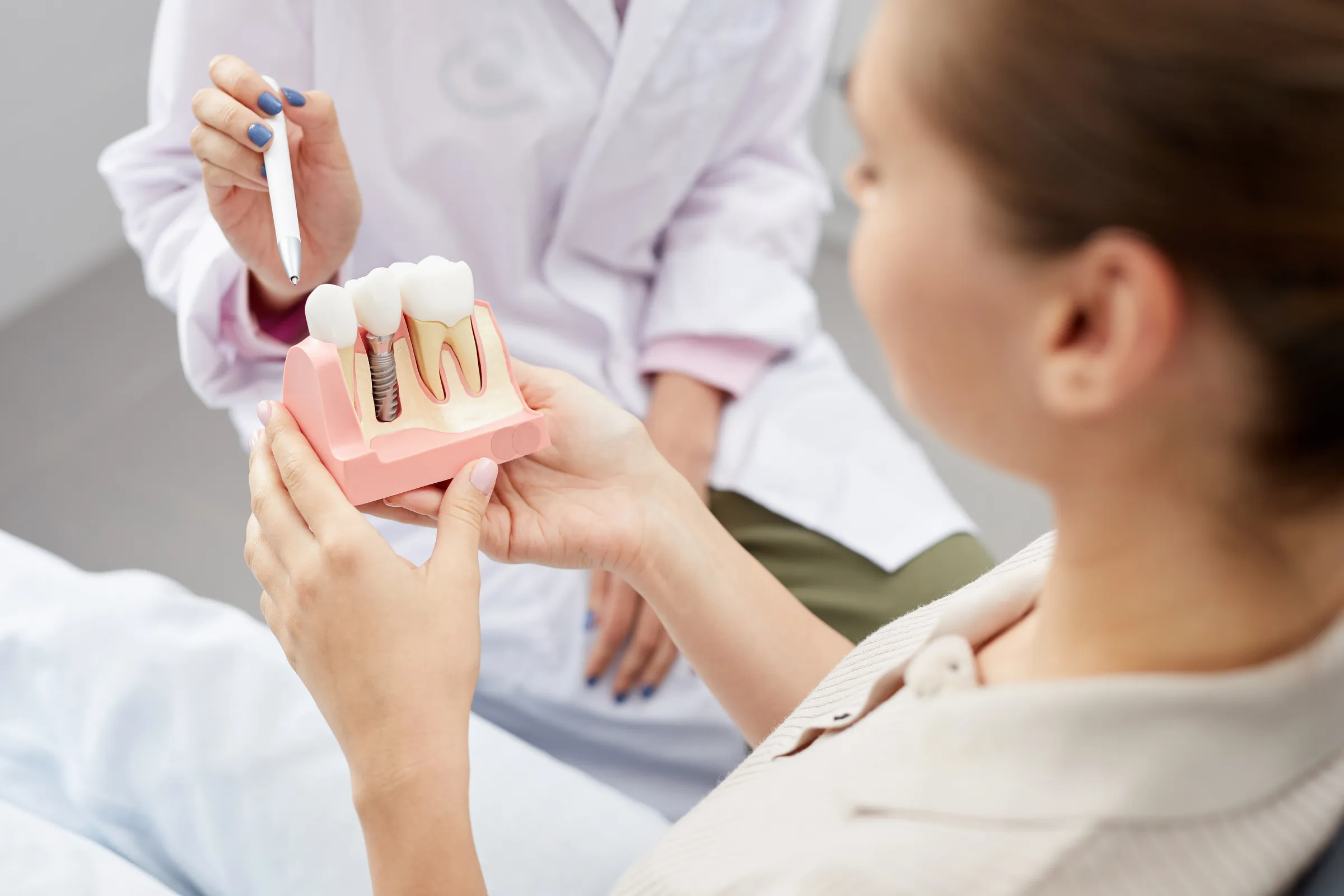
Dental implants are another option. An implant is a small biocompatible titanium alloy, or ceramic screw that is inserted into the empty socket where the tooth was and allowed to integrate with the jawbone. A few months later it will be attached to a crown, which looks like the visible portion of a tooth and is custom-made of dental porcelain to match the shade of the neighboring teeth. This not only allows you to eat and speak as before the tooth loss, but it also stops the misalignment of the other teeth. With proper care, a dental implant could be a permanent solution.
Implants can also be used to improve conventional dentures by anchoring them into the jawbone, which will slow down the normal erosion process that typically comes with aging tooth loss.
Categories
Dr. Alexander Ash
GENERAL & COSMETIC DENTIST
Find Us
Office Hours
Explore Other Blog Posts
-
Gingivitis: Understanding the Link Between Gum Health and Overall Well-being
We often think of oral health as separate from overall health, but the two are intricately connected. Gum disease, specifically gingivitis,…
-
Mastering the Art of Brushing: A Guide to Proper Toothbrushing Technique
We all know that brushing our teeth is essential for good oral hygiene, but are you really brushing effectively? The right technique can…
-
Your Dental Check-up: An Early Line of Defense Against Oral Cancer
Routine dental cleanings are vital for maintaining healthy teeth and gums, but their benefits extend far beyond just oral hygiene. During…
-
Mastering the Floss: A Guide to Proper Flossing Technique
We all know flossing is important, but are you doing it effectively? Proper flossing removes plaque, food particles, and debris from those…